



Blog, Guides for you
How to Mix Wallpaper Paste: Ratios, Water Amounts, and the Most Common Mixing Mistakes
Wallpapering is a process in which even the most beautiful pattern loses its charm if you don't take care of the foundation – properly prepared paste. Many DIYers treat this step as an afterthought, which ends in peeling corners or air bubbles. The key to success isn't secret knowledge but carefully following a few simple rules about consistency and mixing technique. In this guide, we'll walk you through preparing the perfect mix so your room makeover goes smoothly and lasts.
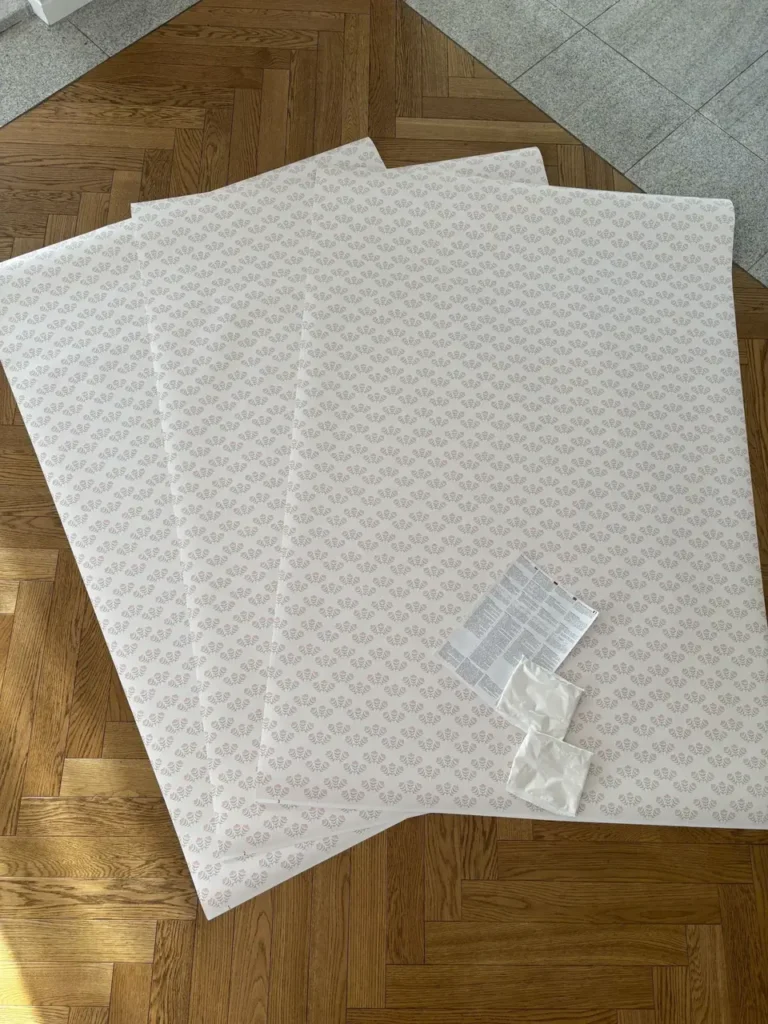
How do you mix wallpaper paste without stress or typical blunders?
Preparing the perfect mix starts with carefully reading the manufacturer's instructions. To know how to make wallpaper paste, you first need a perfectly clean bucket – leftover paint or plaster can bleed through the paper. Pour the powder into the water – never the other way around – slowly while stirring vigorously to prevent lumps. Remember that the water must be cold and clean, and the stirrer is best made of wood or plastic. After the initial mixing, let the mixture stand for a few minutes so the ingredients can swell, then stir it all again. If you're planning step-by-step wallpapering, this stage is key to a long-lasting result.
Ratios and water amounts – the magic of good wallpaper paste
The right balance between powder and liquid determines adhesion, so follow the mixing table on the package to the letter. The right wallpaper paste ratio depends on the type of wallpaper: heavy vinyl needs a thicker consistency, paper a thinner one. When you're wondering how much water to add when mixing wallpaper paste – use a measuring cup: adding water “by eye” is a shortcut to a runny mess. Paste that's too thin can soak through the wallpaper, while paste that's too thick is hard to spread and leaves lumps.
Save yourself the redo! The most common mistakes when mixing wallpaper paste
Avoiding basic mistakes will save you time and materials. The most common sin is dumping the whole packet into the water at once, which creates “dumplings” that can't be broken up. Another mistake is using warm water, which makes the paste gel too quickly.
Here's a list of things to avoid:
- Pouring powder into still water without stirring.
- Too short a soaking time – the paste won't reach full tack.
- Adding water to paste that's already thickened (it causes separation).
- Using old paste from a previous renovation.
If you're wondering how to hang wallpaper on crooked walls, remember that smooth paste is key there to hide surface imperfections.
Paste for paper wallpaper, vinyl wallpaper, and wall murals – what's the difference?
The variety of materials calls for dedicated products, because all-purpose pastes rarely work well with demanding wall coverings. Traditional paper wallpaper paste is lighter and is applied to the strips, which need time to soak. Modern paste for vinyl wallpaper on non-woven backing has a stronger bond and is applied directly to the wall. Specialty wall mural paste must dry clear so it doesn't discolor the print. It's worth knowing what types of wallpaper there are and what their symbols mean, so you can choose a product suited to the weight of the material. Using the wrong paste can cause the wallpaper to fall off.
How long can mixed wallpaper paste stand? Storage, freshness, and practical tips
A ready mix keeps its properties for 24-48 hours if tightly sealed. Temperature also affects how long mixed wallpaper paste can stand: in hot weather, paste spoils faster. If you take a break, cover the bucket with plastic wrap to stop a skin from forming. Before reusing it, check the smell – a sour odor means it's time to throw it out. Old paste loses its tack, which is risky when hanging heavy wall coverings. If you know how to hang vinyl wallpaper, you know that fresh paste is a guarantee of success.
Which roller should you choose for wallpaper paste? A home decorator's essentials
The right tool depends on the pasting method, but pros most often recommend a medium-nap roller or a wide pasting brush. When deciding which roller for wallpaper paste to choose, look for synthetic models that spread the paste evenly. For corners, you'll need a smaller brush that reaches tight spots. If you prefer traditional methods and are wondering what to use to apply paste to paper wallpaper, a wide pasting brush works best for coating the strips on a table. Remember to wash your tools thoroughly with warm water after work, before the paste dries. Precise measuring and patience while mixing are your best allies in creating a beautiful interior.
