


Blog, Guides for you
Types of Wallpaper: Pros and Cons. Which Wallpaper Should You Choose?
Want to transform your living room, kids' room or kitchen? Wallpaper can give a room a whole new character! Choosing the pattern is very important – no doubt about it – but you also need to remember that there are different types of wallpaper. See what your options are and use our short guide. It will make choosing wallpaper for your home easier!
What types of wallpaper are there, and what do their symbols mean?
When choosing wallpaper for your home, you need a basic understanding of the symbols manufacturers use. Wallpaper symbols mainly include information about the wallpaper's weight, width and length. They can also indicate the wallpaper's lightfastness, washability and how it should be hung, installed and removed from the wall.
You'll learn a lot about wallpaper types from the overview below. Keep in mind that you can choose both wallpaper rolls with different specs and a solution tailored to special needs. Custom-size wallpaper is sometimes the best choice!
Paper wallpaper
Paper wallpapers are made of cellulose. These wallpapers stand out for good breathability, so the walls underneath can breathe. Paper wallpaper can be single-layer, double-layer or multi-layer. Keep in mind that these wallpapers are the least durable!
Non-woven wallpaper
Non-woven wallpapers are printed with top-quality HP Latex printing technology, so the colors stay vivid and long-lasting. Another advantage is that they're easy to remove from the wall. Non-woven wallpaper has a smooth surface and is very easy to hang. 130 g non-woven wallpaper is vapor-permeable.
Wondering whether non-woven wallpaper is washable? You should know that there are different types of non-woven wallpaper. If you're looking for wallpaper you can clean effectively, go for washable 155 g non-woven wallpaper. Washable wall murals are suitable for rooms with higher humidity and for kids' rooms. Washable non-woven wallpaper has a smooth, matte surface.
Vinyl wallpaper
Classic vinyl wallpaper is made of paper coated with a layer of foamed vinyl, i.e. PVC. Vinyl wallpapers are exceptionally resistant to dirt, mechanical and chemical damage, moisture and sunlight. However, they're harder to hang than non-woven wallpapers.
There are different types of vinyl wallpaper. It's worth looking into vinyl wallpapers on a non-woven backing. The combination of non-woven backing and a vinyl layer makes the wallpaper durable, easy to hang and resistant to mechanical damage. Find out how to hang vinyl wallpaper, so you get the best possible result!
Vinyl wallpaper with a canvas or silk texture and added PVC on a non-woven backing can be washed. Light or moderate dirt can be removed with a mild detergent and a damp cloth. It's the perfect kitchen wallpaper instead of tiles!
Latex wallpaper
Latex wallpapers are made of synthetic paper with added latex fibers. They have impressive color saturation, so they're perfect for wall murals. These wallpapers are light and inexpensive, but they don't provide adequate ventilation, so they're not recommended for bathrooms and kitchens. You also need to be very careful when applying them, because any imperfections will be very visible on latex wallpapers!
Textile wallpaper
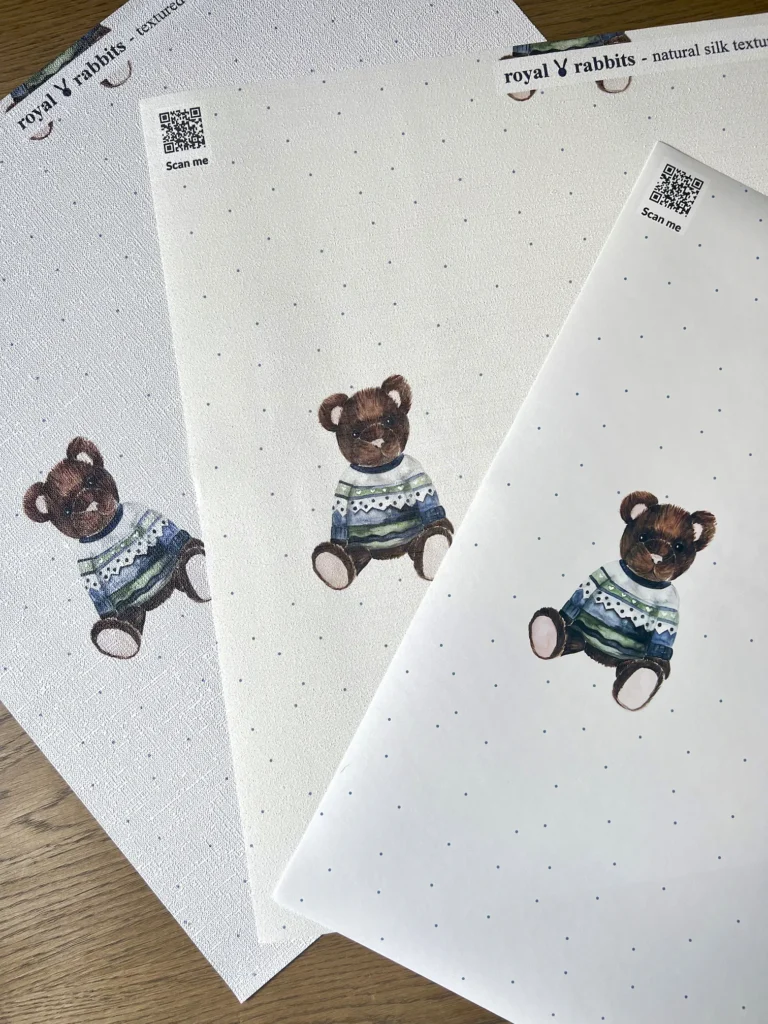
Textile wallpapers, i.e. fabric wallpapers, are often very expensive – you can find silk, linen or velvet wallpapers on the market. They make a room look very stylish. Fabric wallpapers can have a paper or non-woven backing – unfortunately, their downside is that they're neither durable nor dirt-resistant. That's why it's worth choosing the cheaper, more damage-resistant linen textured wallpapers or natural silk textured wallpapers.
Self-adhesive film wallpaper
Self-adhesive film wallpaper is made by printing on self-adhesive film – it has a very smooth surface that's easy to clean. However, it isn't breathable, and you have to be very careful to apply it so it looks neat.
Fiberglass wallpaper
Fiberglass wallpaper is smooth and can take many layers of paint. Its advantage is very high resistance to damage and moisture. Fiberglass wallpapers are fairly heavy, though, and require a strong adhesive with the right properties – they should be installed and removed by professionals.
How to choose the right wallpaper material for your interior? Practical tips
Still wondering which type of wallpaper to choose? As you already know, waterproof wallpapers such as vinyl work best in damp rooms. See how these look: trendy kitchen wallpapers!
Non-woven wallpaper can be used successfully in the living room, kids' room or bedroom. Washable non-woven wallpapers work very well in kids' rooms. You have to expect that accidental marks happen more easily in these rooms. Want to add elegance to your interior? The perfect choice is fabric-texture wallpaper.
With the information above, you now have some idea of how to recognize the type of wallpaper. Maybe you even already know which wallpaper will work best in the room you want to transform!
