


Blog, Guides for you
How to clean paper, non-woven and vinyl wallpaper: safe and effective home methods
Beautiful walls are the calling card of every well-kept home, but over time they can pick up unsightly dirt, scuffs and layers of dust. Wondering how to bring back your wall decor's original look without risking damage or permanent discoloration? Proper care calls for the right approach, one that depends closely on the specific material used in the room. With proven home remedies, you can effectively remove dirt, stains and minor scuffs from your walls and get their fresh look back. Read on to find out how to clean wallpaper quickly, completely safely and with products you probably already have at home.
Wallpaper cleaning at a glance
- Before you start cleaning, identify the type of material and check the symbols on the packaging, which tell you how well the wallpaper stands up to moisture and rubbing.
- Paper wallpaper should only be cleaned dry, using a soft brush, an eraser or a melamine sponge, so you don't damage its delicate structure.
- Vinyl and non-woven wallpapers can be safely washed with a damp cloth and a mild detergent, then wiped dry with a microfiber cloth when you're done.
- For tough stains such as grease spots or crayon marks, the most effective home remedies use baby powder, baking soda or a warm iron.
Can every wallpaper be cleaned? Start by identifying the material
Not every wallpaper can be treated the same way, because different materials vary in how well they stand up to moisture, rubbing and harsh chemicals. Before you decide on a particular cleaning method, make sure you know exactly what kind of wall covering you're dealing with. Delicate paper wallpapers handle contact with water very poorly, while modern plastic-coated models allow for much bolder care. When you choose stylish kitchen wallpaper or elegant dining room wallpaper, you usually opt for more durable finishes that make it much easier to keep things hygienic. Still, you should always match your cleaning method to the manufacturer's instructions, so you can safely avoid permanent damage or unsightly water marks.
Roll labels – what the symbols on your wallpaper mean
Understanding the symbols printed on the original packaging is the foundation of proper, hassle-free care for any wall decor in your home. These small graphic icons tell you exactly what to use to clean dirty wallpaper without damaging its delicate structure or fading its colors. The one you'll see most often is the familiar wave symbol: a single wavy line means the wallpaper can be wiped with a damp cloth, while three waves mean it can handle more thorough washing. If you want to read these symbols correctly, it's worth studying a dedicated glossary of wallpaper symbols, which makes it easier to choose the right cleaning products. It's just as important to look up what types of wallpaper there are and what their symbols mean before you throw away the protective film the roll came wrapped in.
How do you clean paper wallpaper without getting it wet?
To remove everyday dirt from traditional paper wallpaper, stick to proven dry methods and strictly avoid any liquids or damp cloths. You're probably wondering how to clean paper wallpaper, given how easily its thin surface can tear. Your best bet is a perfectly clean white eraser or a melamine sponge, rubbed very gently over the visible mark. Another very safe option is regular dusting with a soft duster or a natural-bristle brush, which does a great job of picking up loose dirt that has settled on the surface. Remember to keep all your cleaning movements smooth and careful, and never press your tools too hard against the wall.
Vinyl durability in practice – how do you get tough stains off washable wallpaper?
Washable vinyl wallpaper is very easy to clean with a soft, slightly damp sponge and a mild detergent dissolved in lukewarm water. If you're wondering how to clean vinyl wallpaper, especially when it has stubborn, dried-on stains, try applying a little plain bar soap. This material performs brilliantly in spaces constantly exposed to high humidity and frequent splashes, as you'll see when you browse these inspiring bathroom wallpaper design ideas. When washing the surface, always use gentle circular motions and avoid scrubbing with stiff brushes, which could permanently scratch the protective top layer. Once you're done, don't forget to wipe the wet wall with a dry microfiber cloth to soak up excess moisture and prevent unsightly streaks.
Which wallpaper cleaner should you choose?
The best and by far the safest homemade wall cleaner is always a mild solution of liquid soap or regular dish soap mixed with warm water. Before you spread the mixture over the whole surface, though, test it carefully in an inconspicuous spot to check what's safe to wash your wallpaper with, so you don't ruin its unique pattern. With more modern non-woven materials, you're probably considering how to clean non-woven wallpaper with home remedies, skipping harsh, expensive store-bought chemicals altogether. Besides classic soapy water, a slightly damp cotton cloth dipped in a weak solution of water and a pinch of baking soda works well here. These are the products worth knowing and using at home:
- Warm water with plain bar soap or mild dish soap as a safe cleaning base.
- A melamine sponge for gently removing dark scuffs and minor rub marks, used dry.
- An ordinary school eraser, ideal for rescuing smooth paper surfaces.
- A weak solution of clean water and vinegar for tackling more stubborn grease stains.
Tough stains in a toddler's room – how do you remove crayon and grease from wallpaper?
You can effectively get rid of wax crayon marks and spilled grease with a thick baking soda paste, or by gently pressing a warm iron against a paper towel held to the wall. In stylish kids' rooms with colorful boys' wallpaper and delicate girls' wallpaper, little artists' creativity very often ends up right on the walls. Large greasy marks from hearty meals or sticky cosmetics are best neutralized by sprinkling them with a little baby powder, which will soak up the unwanted substance after about 15 minutes. If you're dealing with stubborn ink or marker stains, try quickly spraying the spot with a little hairspray (test it somewhere inconspicuous first), then wipe the mark away with a soft flannel cloth.
Why material quality matters – choose durable Royal Rabbits wallpaper
Explore our hand-painted wallpaper
-

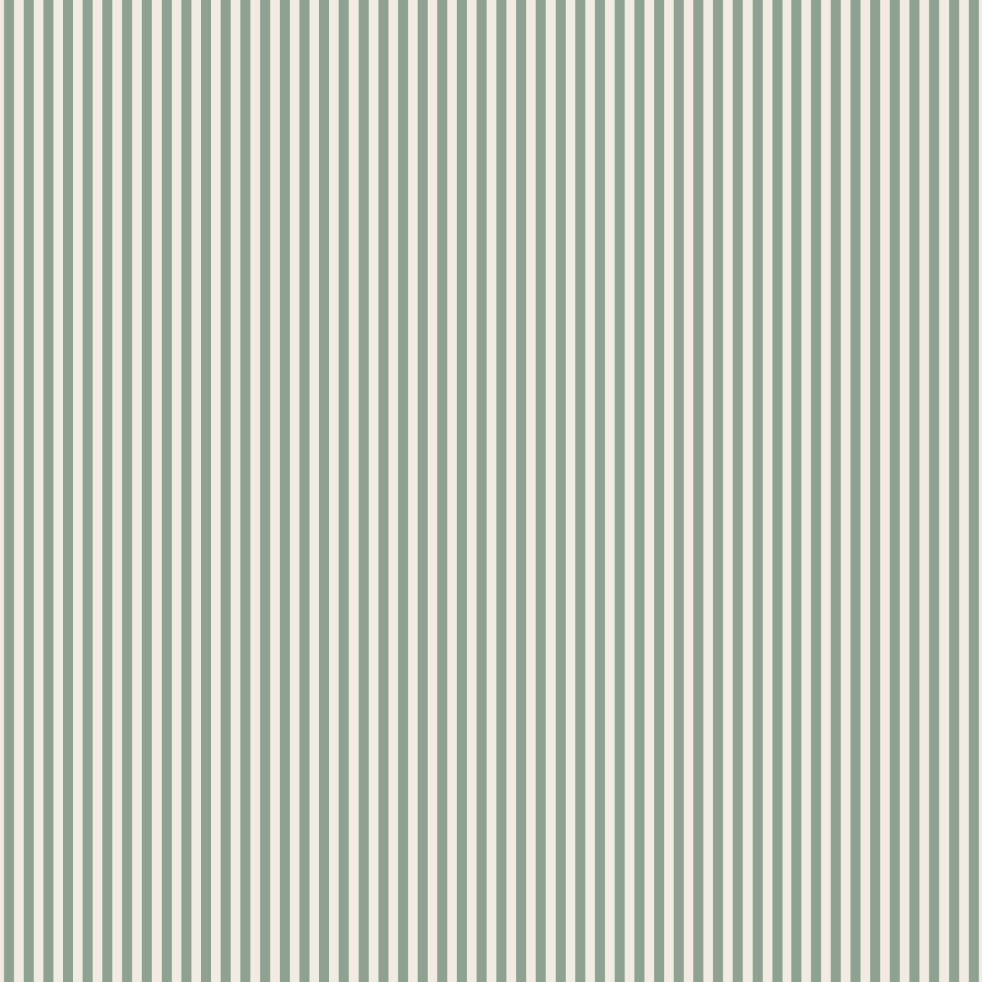
Thin Green Stripes Wallpaper
Od: 21,99 $ -

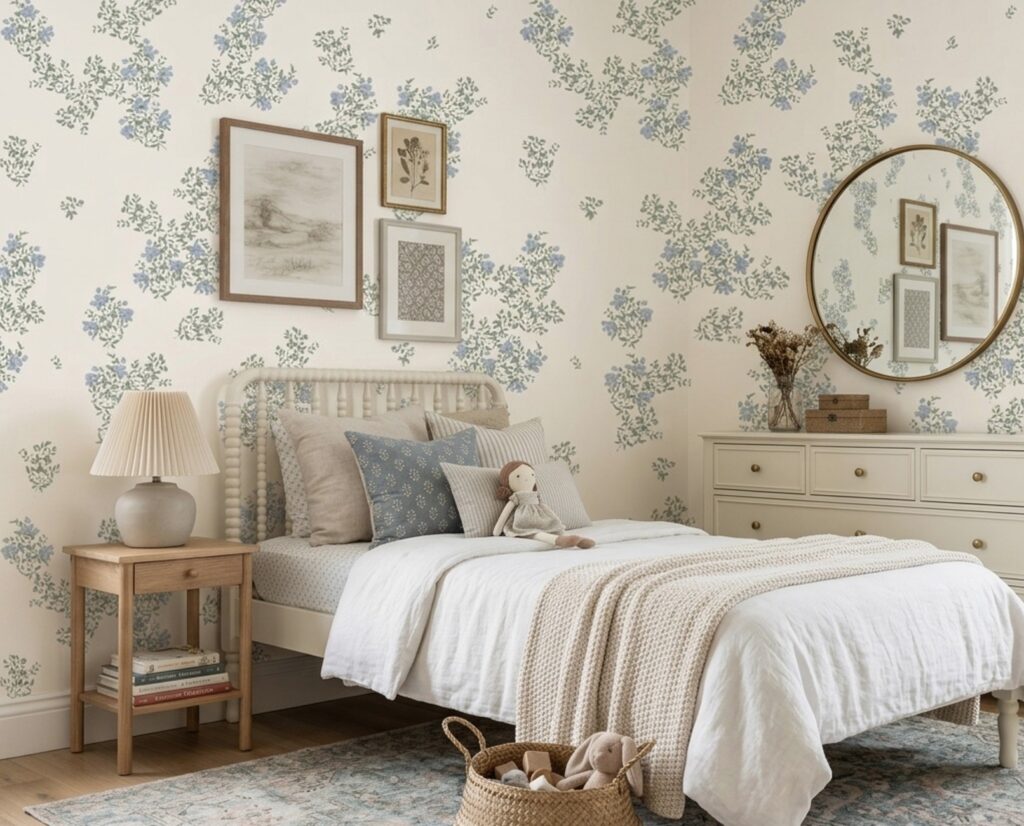
Floral Wallpaper – Blue Hydrangea
Od: 28,99 $ -

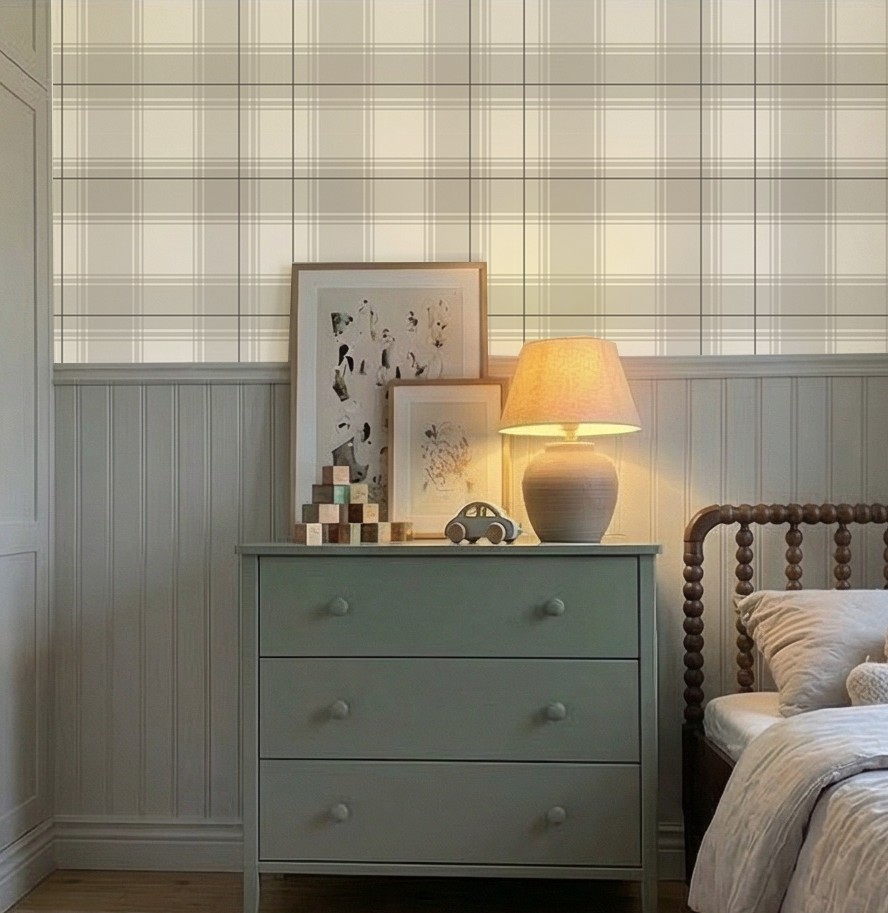
Green Plaid Wallpaper
Od: 21,99 $
High-quality, precisely made wall coverings are far more resistant to everyday wear, moisture and fading, which makes keeping them clean noticeably easier. When you choose durable products from the trusted Royal Rabbits brand, you can be confident that removing everyday marks won't take a lot of effort. The exceptionally strong base layer keeps dust and grime from penetrating deep into the material, so you can remove most surface stains with nothing more than a soft cloth dampened with lukewarm water.
FAQ – frequently asked questions about cleaning wallpaper
1. How do you wash wallpaper without leaving streaks or water marks?
To wash wallpaper without streaks or water marks, start by thoroughly dusting the surface with a soft, dry brush. Always do the actual washing from the bottom up, using only a well-wrung, damp cloth with a drop of dish soap. The key to success is avoiding excess water and drying the cleaned area right away with a microfiber cloth.
2. How do you freshen up and dust wallpaper without water?
The best way to dust wallpaper is with a vacuum cleaner fitted with a soft brush attachment or with a dry microfiber cloth, working from top to bottom. You can safely remove small marks and fingerprints with an ordinary white pencil eraser or a kneaded eraser, as long as you don't rub too hard.
3. What products should you avoid when washing wallpaper?
Avoid harsh detergents, bleach and abrasive cream cleaners, which can discolor or scratch the pattern. Skip stiff brushes and excess water too, so you don't damage the wallpaper's structure or cause it to peel off.
