



Mały pokój dziecka
How to Furnish a Small Child's Room? Ideas and Design Tricks
A small kids' room needs well-thought-out furniture. Limited space shouldn't stop you from arranging the room so that it meets all your little one's needs. It's worth using the methods that professional interior architects use. With them, even a small kids' room in an apartment building can provide space for comfortable rest, play and study. They let you create a cozy, yet functional room.
Measuring a small child's room
To furnish a kids' room effectively and make sure it fits all the necessary furniture, first measure it and draw it up, e.g., on a sheet of drawing paper. You can also use a free interior design app such as HomeStyler, Room Planner or HomeByMe. When measuring, take into account not only the outline of the walls, but also door and window openings.
On the finished plan, you can mark out the zones: the areas your little one's room should include. Their contents change as the child grows:
- Sleep and rest zone: cradle, crib, nursing chair, single bed, poufs.
- Play zone: play mat, toy shelf, fluffy rug, teepee.
- Study zone: small table, chair, bookcase, desk, cork or magnetic board.
- Storage zone: dresser, wardrobe, wall shelves.
Design several functional layouts for the kids' room
Before you buy the furniture and arrange it in the room, first visualize the kids' room design. You may find that your first idea isn't the best. That's why it's worth creating several layouts (on paper or in an app) and choosing the best one. You can also use layout planning for the future. Check how the layout will need to change when your little one outgrows the cradle or when you need to buy a bigger wardrobe.

How to furnish a child's room with your little one's needs and interests in mind?
Furnishing a child's room is a great opportunity to design a space that reflects their interests and hobbies. Here are a few ideas on how to do it:
- Themed corner – create a special corner in the room devoted to your child's favorite hobby. It could be a reading nook with a comfy armchair and a bookshelf or a small workshop for a future engineer.
- Interactive furniture – consider interactive furniture (a bed with a built-in slide or a desk with a writing board) that will encourage your child to play and learn.
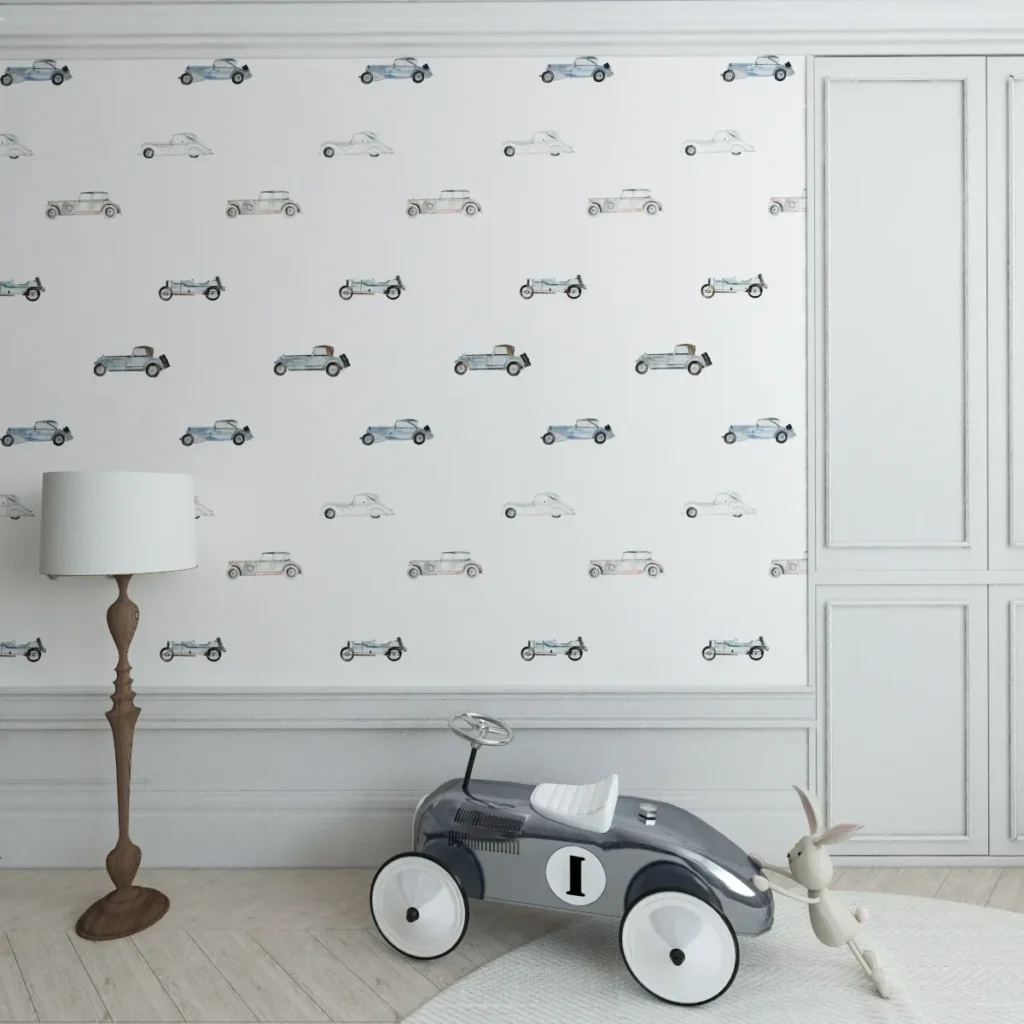
- Themed decorations – choose posters, wall decals or kids' wallpaper featuring the themes, from superheroes to animals or space, that your little one is passionate about. It's an easy way to give the space a personal touch.
Proven tricks for making the most of space in a small room
How do you furnish a small room for a boy or girl? Get creative. Try to make thoughtful use of the space, including overhead and in the corners of the room. You can use these tricky spots to install extra cabinets. It's also worth considering folding furniture, which frees up more play space during the day.
If the kids' room is small, pay special attention to multifunctional furniture, such as:
- a bunk bed with stairs – it can include cabinets, drawers and shelves, and even a desk;
- a table with storage – e.g., with flat, wide drawers hidden under the top.
How to furnish a small kids' room? Storage is key!
A small kids' room requires special attention to tidiness. Too much clutter makes a room look smaller. At the same time, it's a common sight in a kids' room, where there are plenty of toys, after all. That's why your little one and their parents should have furniture such as a dresser, a wardrobe, a bookcase and a display cabinet with shelves. The room can also include decorative items that double as storage, e.g., a wicker chest or a drawstring canvas bag.
A handy kids' room tip: if your little one has lots of toys and they don't all fit in the cabinets in their room, you can store some of them in another room. Especially with young children, putting some toys away for a while lets them enjoy them all over again.

Designing a child's room: colors and decor
In a room such as a small kids' room, the design should be based on light, pastel colors. These are colors that visually enlarge the space and give you more freedom when choosing accessories. They also suit a child's aesthetic. You can pair them with so-called accent colors, reserved for smaller items such as cushions, a rug or wall posters.
Decorations in a small kids' room
In a small kids' room, design ideas should be based on light, pastel colors. If you want to bring more color into the room, you can choose, e.g., decorative wallpaper or kids' wall decals. Flat decorations like these are an attractive alternative to space-hogging figurines, vases and oversized stuffed animals.

Mirrors and lighting
Additional decorative elements that visually enlarge the space are certainly lighting accessories and mirrors. Besides a ceiling light, a kids' room should also have a small night light, and you could consider a larger floor lamp too. Kids love mirrors, so a mirror in a cute shape, e.g., a cloud or a heart, can also hang on the wall.
If you're wondering how to furnish a small room for a girl, go for a variety of decorative elements. Oprócz akcesoriów oświetleniowych i luster świetnym pomysłem są wall posters. Choose motifs that reflect your child's interests, such as favorite fairy-tale characters, animals or inspiring quotes. Posters in a girl's room can be framed in lightweight frames or hung on colorful tapes.

How to furnish a teen's room?
The key element of a teenager's room is a study space, even in a small room. A comfortable desk is a must – it should be big enough to fit a computer and books and still leave room to study freely. Extra drawers or shelves can help organize school supplies.
Lighting is also one of the most important elements in a student's room, especially for studying. Natural light is invaluable for health and well-being. Placing the desk near a window makes the most of natural light. A desk lamp with an adjustable arm lets you direct light where it's needed most.
Let's not forget about technology. There should be enough electrical outlets near the desk to plug in a computer, lamp and other devices.
