

Guides for you
Kids' Room from Baby to Teen: How to Design a Room for a Girl or Boy?
When furnishing a child's room, take the long-term view. Over the years, the needs of a baby, a toddler, an elementary schooler and a teenager change. The same decor and furniture can't stay functional all the way to their 18th birthday. However, you can design the room so that changes happen smoothly, without excessive costs.
Draw a floor plan of the kids' room
To make designing a kids' room easy and enjoyable, start by making a so-called technical floor plan of the room. You can use an app or simply a sheet of paper. Measure:
- the height of the room,
- the walls along their outline,
- door and window openings.
An accurate floor plan makes it easier to choose furniture and accessories. Already at the drawing stage, you can check whether the necessary furnishings will fit in the room. This is especially important for small rooms or rooms with unusual dimensions. With a precise plan, you can better organize the kids' room, including different functional zones such as places to sleep, study and play. It also lets you be creative when choosing multifunctional furniture that can serve several purposes at once, e.g., a bed with built-in drawers or a desk with extra shelves.
A well-thought-out floor plan also helps you plan the lighting better, which is key to creating a cozy, functional atmosphere. You can plan in advance where to put lamps to provide the right light for studying and playing.
Kids' room – the functional layout
Planning a functional layout makes it easier to design a room for a child of any age. The stage of furnishing a nursery is already the time to divide the room into zones that serve specific functions:
- sleep and rest,
- play,
- study and drawing,
Over the years, the zones in the layout can stay the same – only their furnishings change.
Choosing colors for a child's room – kids' room inspiration
On average, we repaint the walls in a kids' room every 3-5 years. When decorating a child's room, keep in mind that the aesthetic tastes of a preschooler, an elementary schooler and later a teenager can change dramatically. Covering dark or bright colors can be a challenge, as can finding accessories to match furniture you bought earlier. If you want to make this easier, stick to two key rules.
- Choose a base color – it should be light, with a pastel tone, e.g., white, gray or beige. Colors like these make a kids' room look bigger and go well with most accessories.
- Match the accent colors – at first, you choose them as the parent. Over time, your child can pick accessories in their favorite color, such as a wall mural, wall decals, pictures, educational posters etc.
How to furnish a small nursery?
Above all, the baby stage requires good organization, so make sure there's convenient storage for baby clothes and accessories. A nursery should have:
- a cradle or crib,
- a changing table,
- a dresser or small wardrobe,
- a play mat,
- a baby bouncer,
- a shelf for cuddly toys,
- a hamper for dirty clothes,
- a nursing chair.
Which wallpaper to choose for a small kids' room?
When decorating a kids' room, especially for a baby, focus on delicate patterns that bring calm to the space. Wallpapers with motifs such as teddy bears, bunnies or flowers in pastel colors are an excellent choice. Delicate teddy bear wallpaper works perfectly in a nursery. Thanks to its versatility, this kind of decor suits both boys and girls, which is practical if you plan for the room to serve for a long time.

Designing a room for a young child
Children aged 1.5-3 are more independent, start spending more time playing and develop their first interests. At this stage, your little one's room can get a small bookcase for picture books. Extra furniture and accessories for storing toys will also come in handy, e.g., shelves, wicker baskets. A bigger crib will replace the cradle.
When a child starts preschool, they need a comfortable place to draw and make collages. A preschooler's room should include a small table or desk with a chair. You can consider adjustable furniture that can be adapted to your child's current height. You'll also need extra storage space for art supplies.
What should a schoolchild's room look like?
Starting elementary school is a big change in a child's life. It's reflected in their room, too. Above all, they need:
- a bigger bed,
- a full-size desk,
- a comfortable chair,
- desk lighting,
- space for books and notebooks,
- a bigger wardrobe.
Keep in mind that elementary schoolers also have their first hobbies. For example, a child who collects figurines will appreciate a display cabinet with shelves that shows off the collection.
Designing a teenager's room
Children entering their teens may gradually want a more “grown-up” look in their room. The functional layout of the room doesn't change much, but books and other hobby-related items take over the space where toys used to be. Teenagers may also have different color preferences. They want to express their personality through their room's decor. So the biggest changes happen in wall decorations, such as wall murals and kids' posters.
A teen's room is also where they meet up with friends. If there's no room for extra furniture, consider a sofa bed instead of a standard bed. A coffee table for serving snacks can also come in handy.
Girls' rooms – how to create a space full of magic and color?
Choosing a theme is the foundation of any successful design. A theme sets the direction for the whole project, letting you create a cohesive, harmonious space. You can choose a theme related to favorite cartoons, animals or sports.
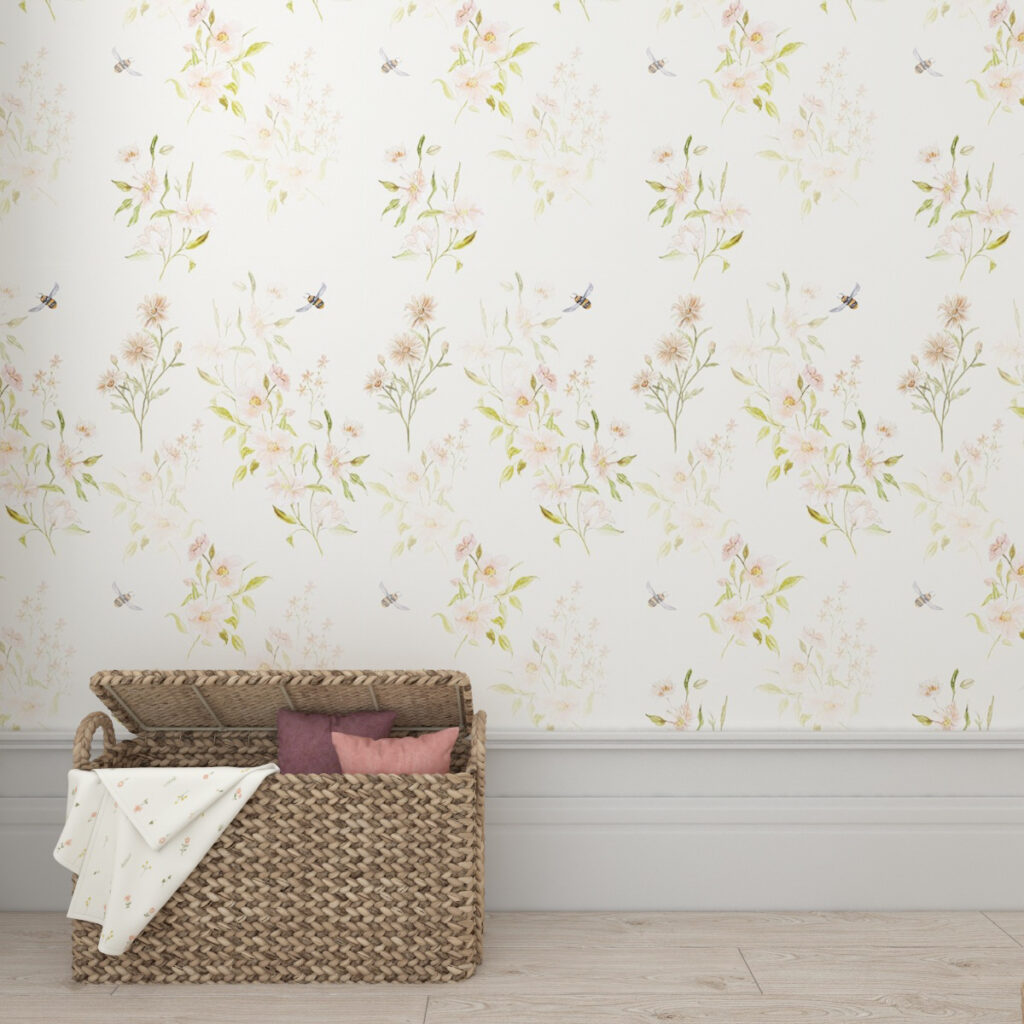
If you choose wallpaper for a girl with a floral motif, delicate flower patterns can be a great starting point. Combined with pastel colors such as mint, pink or lavender, they bring a special atmosphere full of freshness and subtlety to a child's room.
A boy's room – practical tips and inspiration for the perfect space
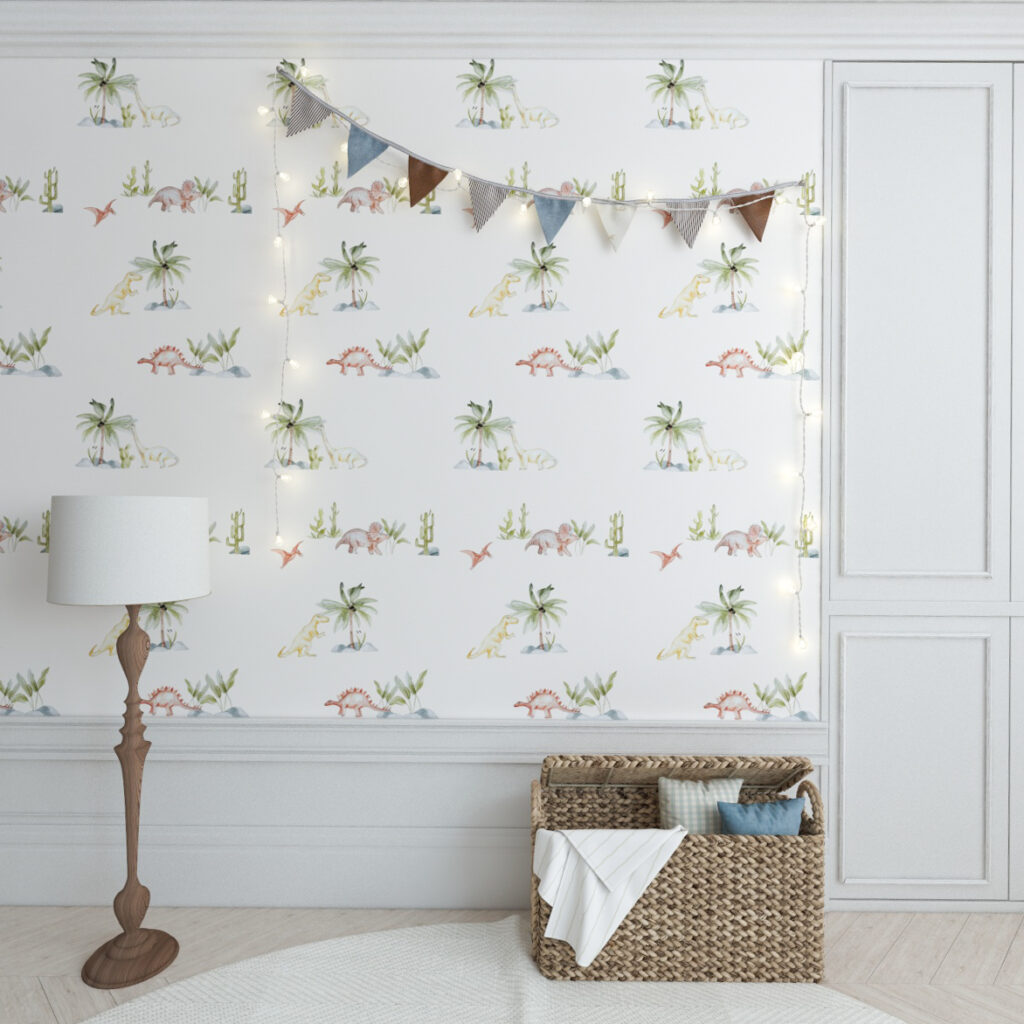
When furnishing a child's room, the colors and decorations in a boy's room should be chosen carefully to reflect his interests and passions. Popular motifs such as cars, dinosaurs or space can inspire a unique space.
To add a personal touch, consider car wallpaper or sports motifs. For example, race car wallpaper can be complemented with decorations such as model cars or vintage car posters. A dinosaur theme can be enriched with figurines of prehistoric creatures.