



Blog, Colors in a kids' room
Color Psychology in a Child's Room – Can Wall Color Affect a Child's Mood?
The colors you choose for a child's room really matter. They can affect your child's mood and well-being. It's worth knowing how to choose colors for kids.
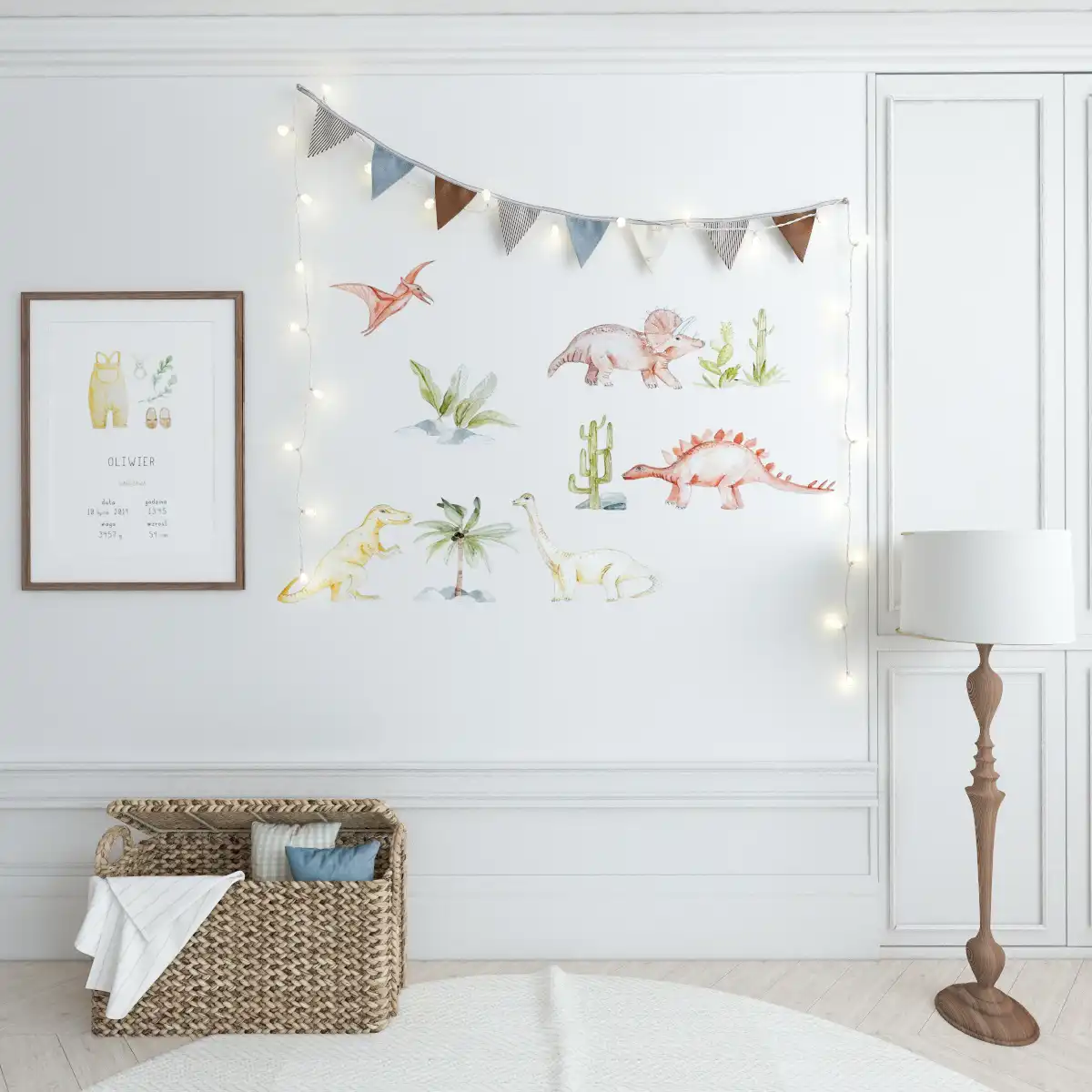
Color Psychology in a Child's Room – Can Wall Color Affect a Child's Mood?
Colors have a huge impact on our lives. They can significantly affect our well-being and energy levels. Color psychology in a child's room makes sense!
Green in a child's room
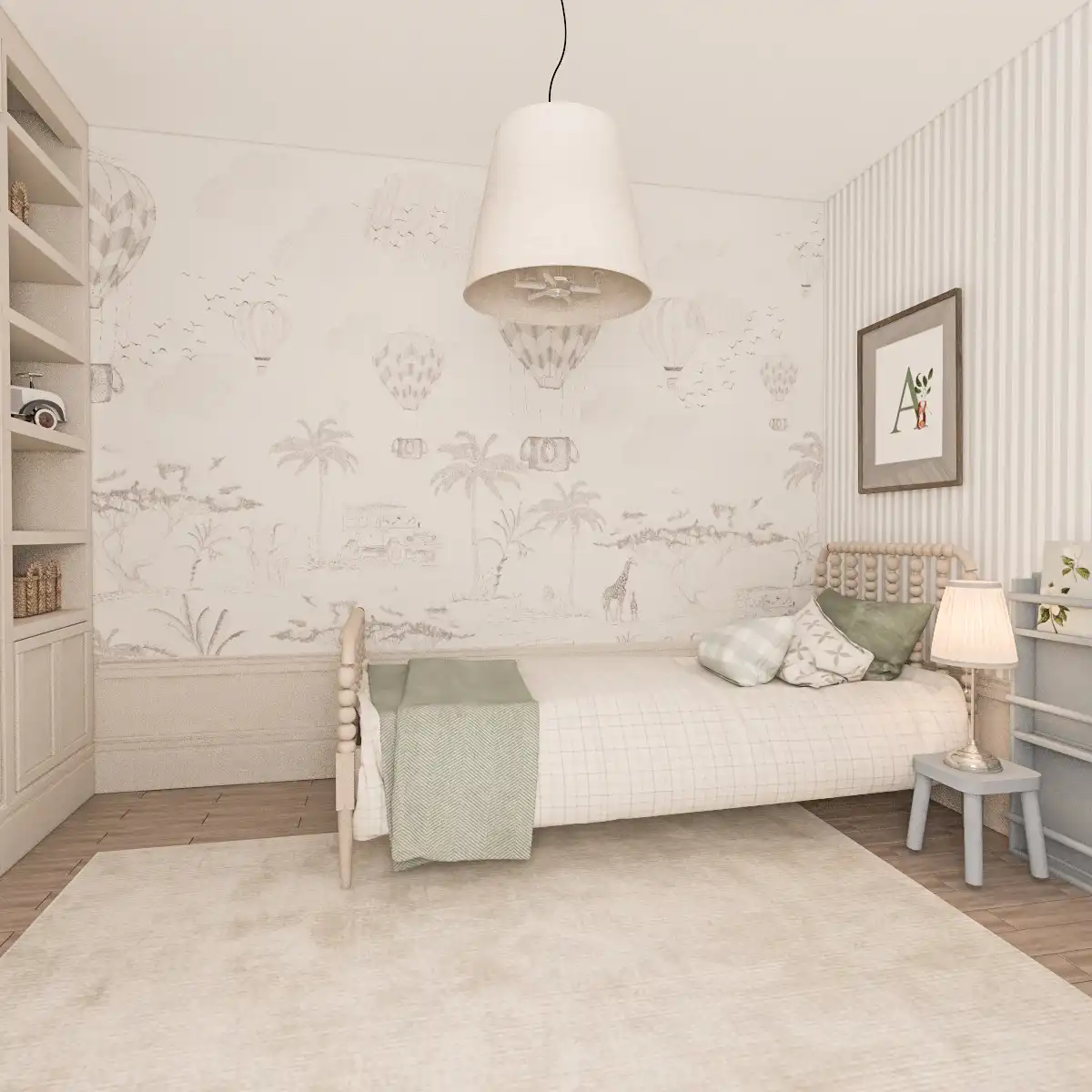
Green in a child's room usually appears either as a bold accent or over a larger area in a more muted shade. Green in a kids' room can be the color that calms, soothes and helps with recovery, but on the other hand, it also supports concentration. In a design featuring green motifs, a great option is safari wallpaper.
Yellow in a child's room
Color psychology says that energizing, mood-boosting colors for a kids' room include yellow, for example. It's associated with warmth, sunshine and vacations, and it gives you energy to get things done. However, since it's a very stimulating color, it may not be the best choice when designing, for example, a room for a child with ADHD. This color can overstimulate the child even more.

Pink in a child's room
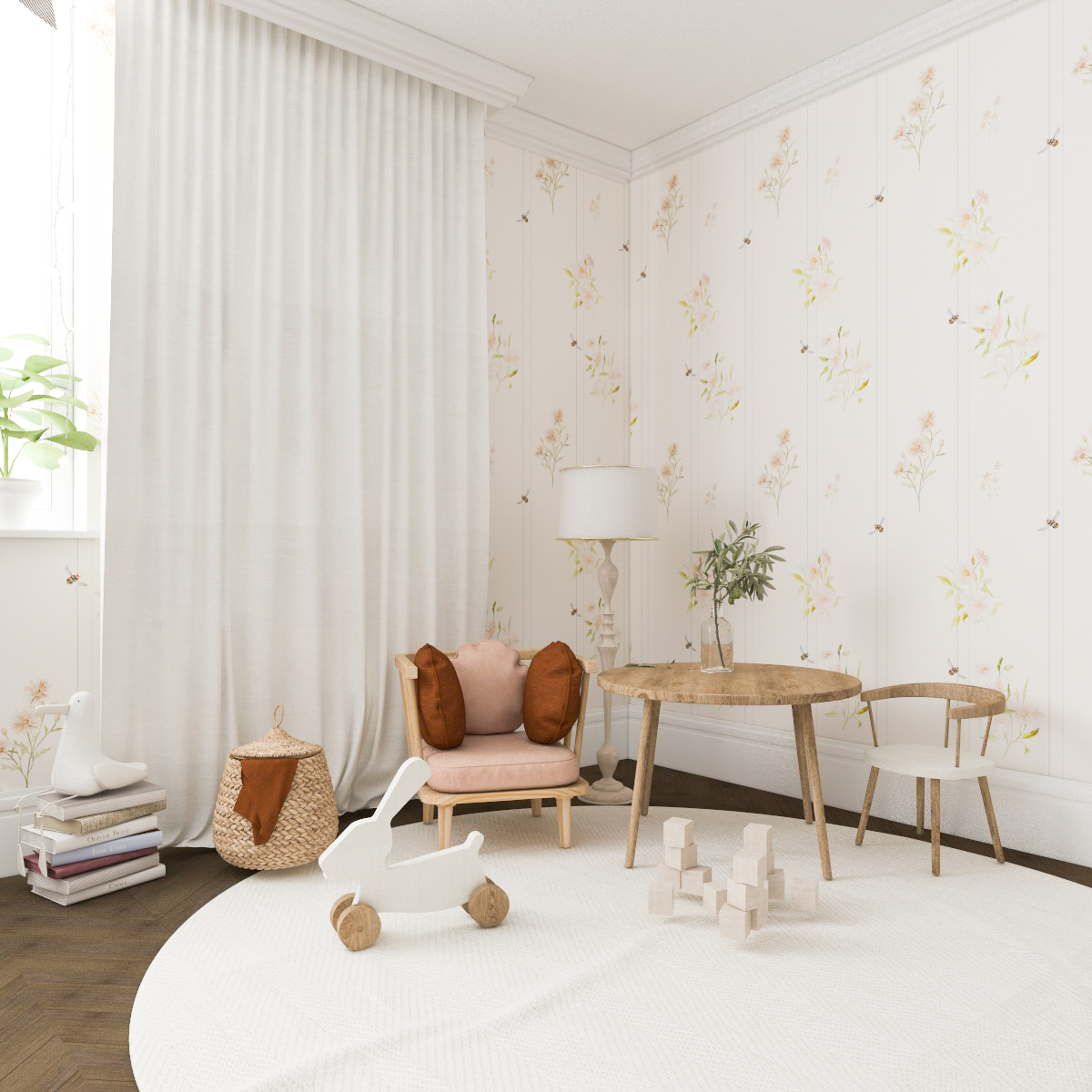
Pink is one example of a color for a girl's room. It's a warm color that can have a soothing effect and adds sweetness to the whole design. Wallpaper for a girl's room in this color palette can feature, for example, pastel flowers. The room will feel more delicate and have a girly retro vibe.
Blue in a child's room
Colors for a boy's room include blue, among others. Its light pastel shades can be very soothing and calming and promote good sleep. Blue can cool down the whole design, so when choosing colors for a child's room, it's worth contrasting blues with warm shades, such as yellow.
Purple in a child's room
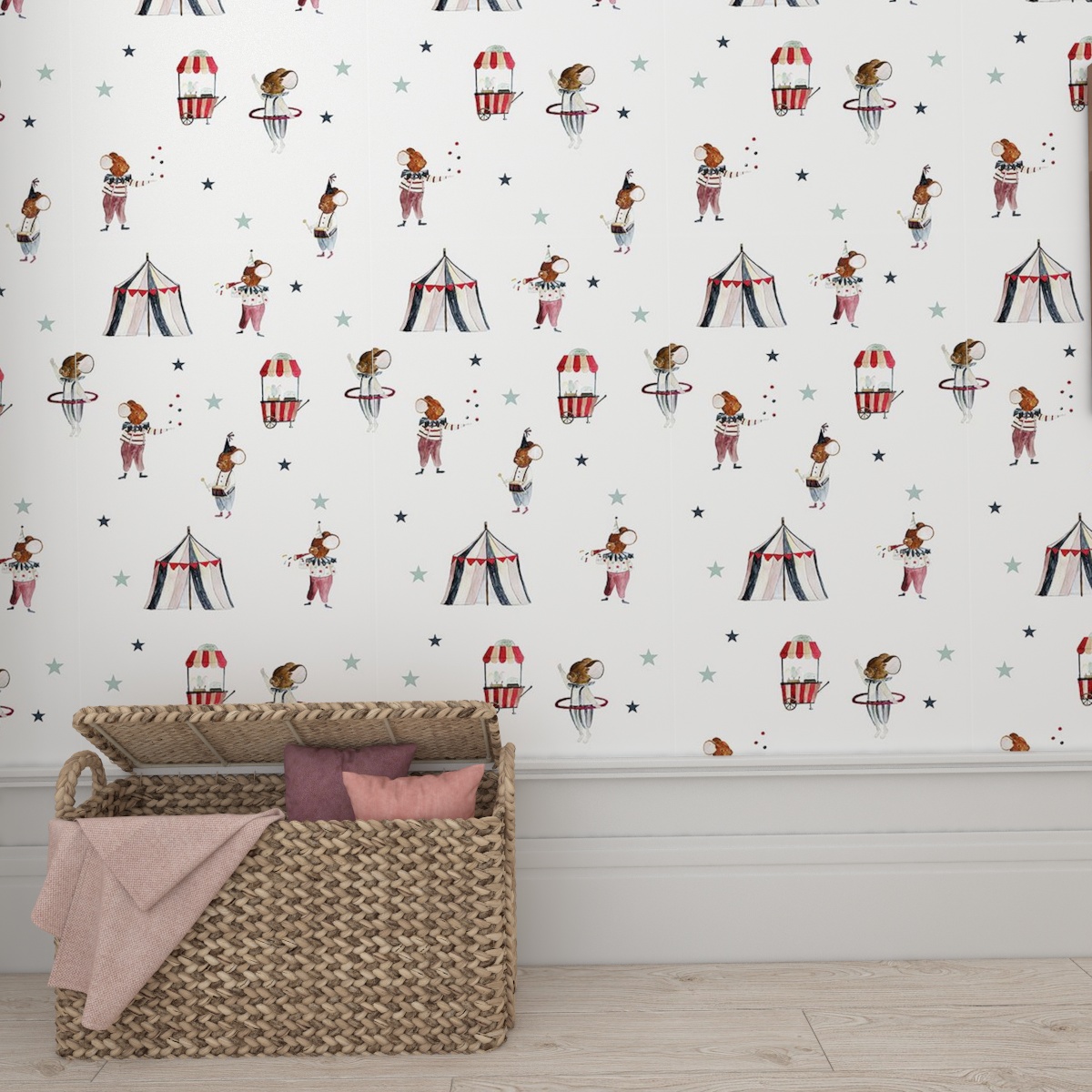
A color palette with purples can help create an original, modern design for a child's room. Violet has become especially popular lately. But don't overdo purple, as it can feel overwhelming. It's a good idea, for example, to pair a purple wall with wallpaper featuring a lively, energizing pattern. An interesting choice could be, for example, circus-themed wallpaper.
What wall color for a boy and girl's shared room? Choosing colors in practice!
When deciding on the wall color for a boy and girl's shared room, it's worth thinking through the design in practice. If, for example, your little one is interested in a particular theme, choose wallpaper that matches those interests (for example, good options include horse wallpaper), and then pick the furniture and other decor to match. A shared room, of course, means the design must take both children into account. Dividing the space into zones can be a good idea. However, if the children are old enough that it's hard to create a shared space for them, it's worth considering when to move your child to their own room.
Color psychology in a nursery – which colors to choose for your baby's first room?
Which colors should you choose for a child's room when it comes to a newborn? How to design a room for a baby, who can't yet tell colors apart and mainly sees contrasting shades? It's still best to choose muted colors, such as white and beige, and use contrasting colors in accessories. It's good to stimulate the development of a newborn's vision with different colors, but at the same time, the room should be planned so that it isn't too busy or bright and doesn't overwhelm the child with stimuli in the long run.
