



Blog, Colors in a kids' room, About styles
Which preschool wallpaper won't overstimulate kids? Tips in the spirit of Montessori
Constant noise, lots of social interaction, and having to adapt to preschool rules – all of this puts a strain on young children's nervous systems, especially sensitive ones. As a result of so-called overstimulation, children may become irritable or, quite the opposite – apathetic, and above all distracted and tired. The environment they spend time in also has a huge impact on how children feel. How do you design a preschool classroom that supports children's development without overstimulating them? Read on to find out which preschool wallpapers are ideal and what Montessori education “says” about it.
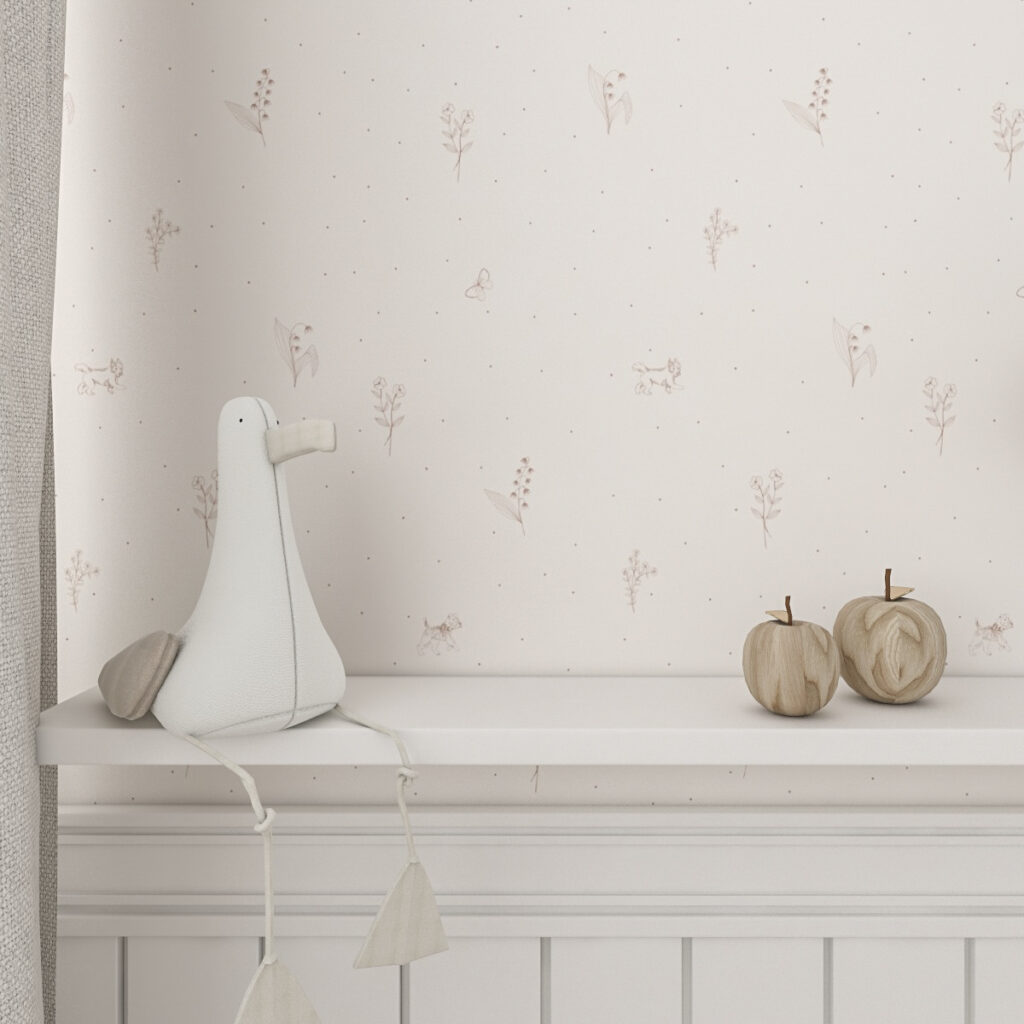
Table of contents
Are loud patterns harmful? Calm preschool wallpapers and a child's sensory development
The environment a child spends most of their time in has a huge impact on their development. Preschool is where little ones spend a large (sometimes the largest) part of their day, which is why it's so important for the classroom – its decor and furnishings – to meet young children's needs.
So how should you design it? Just as with a schoolchild's room design or a preschooler's room, moderation, order, and harmony should be the guiding principles here. Avoid too many stimuli: too many objects, cluttered space, loud colors, many motifs at once.
Wall decor is especially important, because walls largely determine the character of the design and the atmosphere in the room. Muted colors bring calm and a sense of security without disrupting a child's natural development. Calm preschool wallpapers with delicate patterns in pastel colors brighten up the room without overwhelming a child's nervous system with too many stimuli.
Wall murals for preschools – only ones that are good for kids
Are wall murals a good idea for a preschool? Absolutely – as long as you choose them carefully! Remember that the goal is a calm, harmonious atmosphere in the preschool. So go for versatile, calm motifs inspired by nature, animals, or landscapes. There's a reason we relax best in nature. Nature-themed wall murals can calm and soothe a child's nervous system and make it easier to concentrate.
Which wallpaper should you choose for a preschool classroom?
-

Red Cherry Wallpaper 🍒
Od: 21,99 $ -

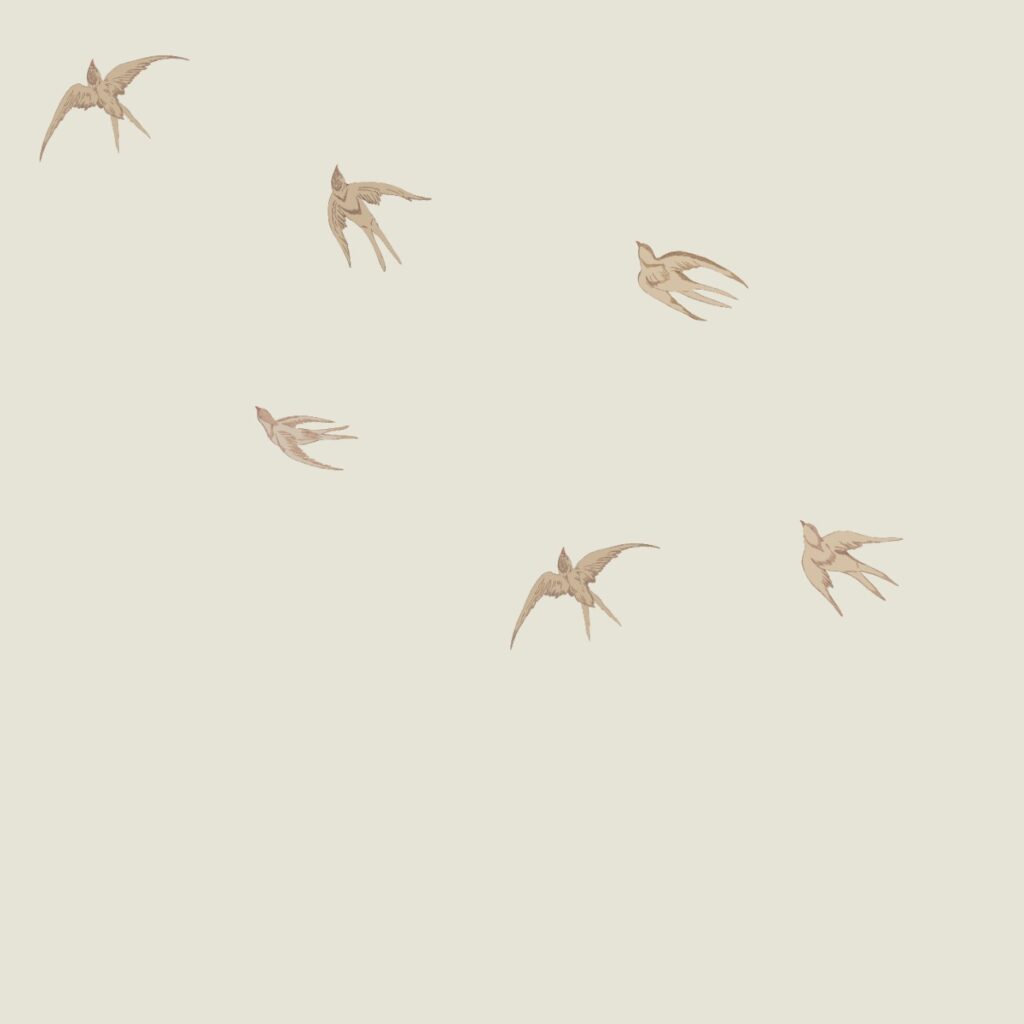
Beige Birds Wallpaper
Od: 28,99 $ -

Lighthouse, Seagulls and Clouds Wallpaper
Od: 21,99 $ -
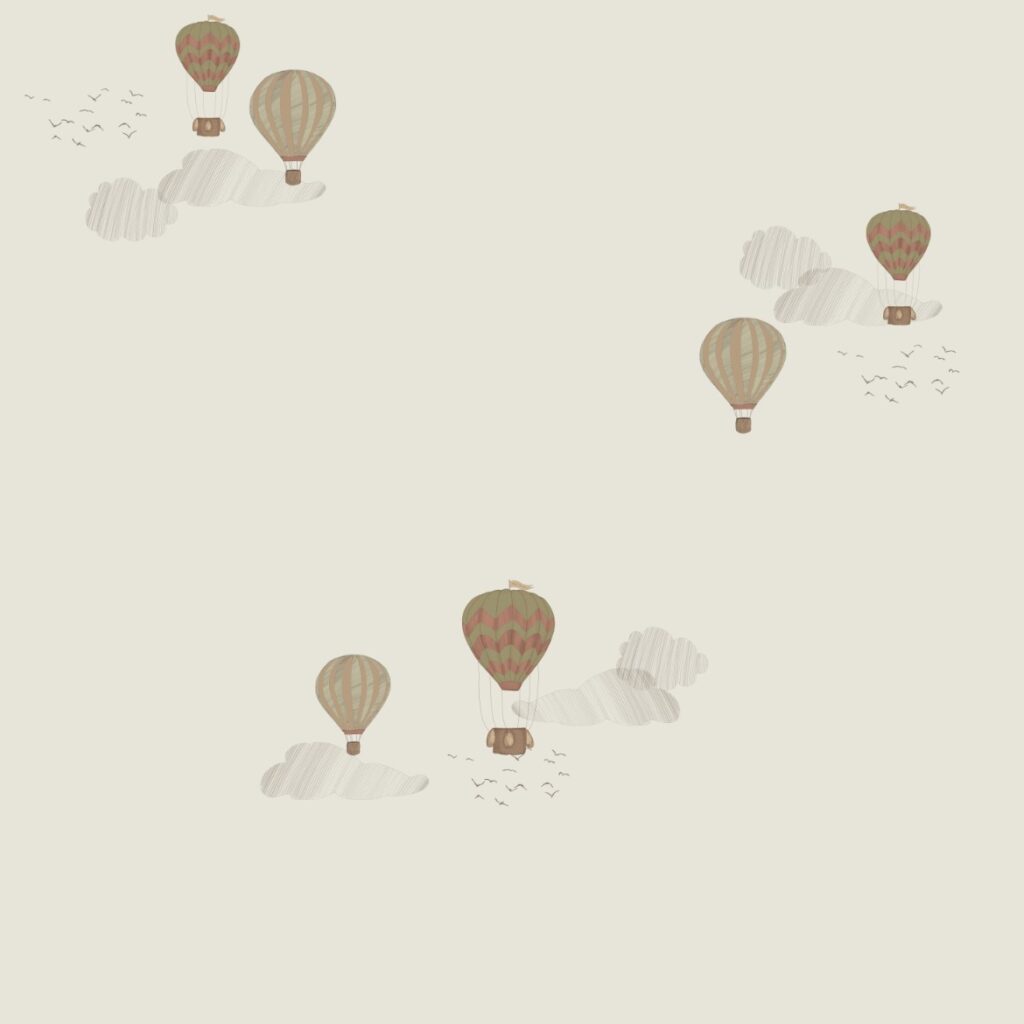
Green Balloons and Beige Clouds Wallpaper
Od: 28,99 $


Designing a preschool classroom – a space that inspires and develops little ones' imagination
A thoughtfully designed interior in calm tones – without loud colors and random cartoon motifs – gives little ones peace and room for their imagination and creativity to develop freely. For that to happen, careful space planning is just as important as the decor.
Preschool interior design should include dividing the space into zones (e.g., a dining area with tables, a play area with a rug, or a reading corner with comfy cushions). This helps children find their way around and provides predictability, which in turn gives them a sense of security.
Everything should be tailored to little people: their height and small hands. In practice, this means that a preschooler can easily reach all the toys and supplies, building independence along the way. Of course, furniture and toys as well as paints and wallpapers should meet all safety standards.
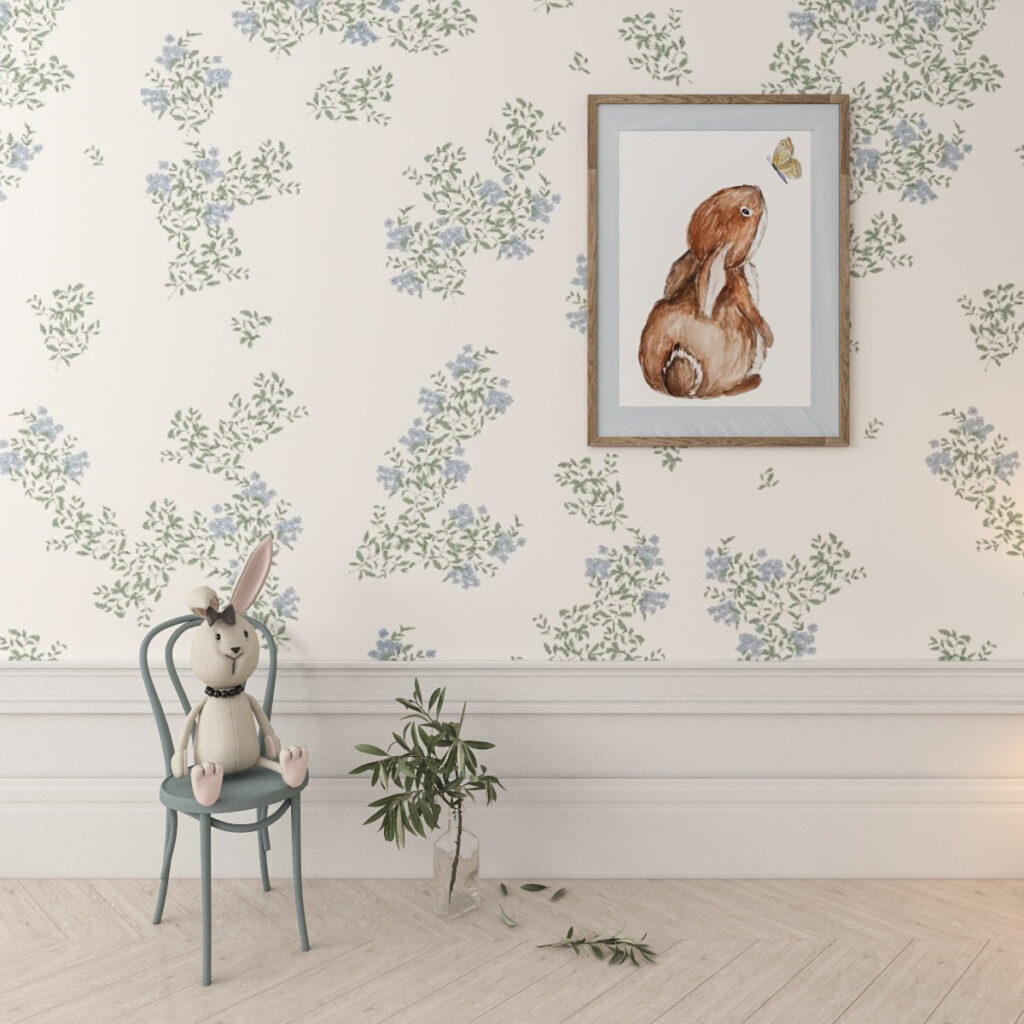
Preschool classroom decorations should appeal to little ones, but they mustn't dominate the space. Charming pictures for kids, such as drawings of teddy bears, balloons, cars, or a forest drawing with animals, painted in watercolor, create a slightly fairy-tale yet safe and calm atmosphere while introducing children to art.
Montessori-inspired preschool interior design – how do you choose themed wall murals for a preschool?
Montessori education is an approach developed in the first half of the 20th century by the Italian physician and educator Maria Montessori. The method supports a child's well-rounded development. It places a strong emphasis on independence and gathering experiences through which children learn about the world, enjoy learning, and build their self-esteem. To achieve this, children need an environment that supports their development – a supportive atmosphere, safe relationships, and a friendly teacher, as well as suitable learning materials and a specially designed learning space.
A Montessori-style preschool classroom fits perfectly with child psychologists' recommendations not to overstimulate a child's nervous system. A Montessori preschool classroom is safe, tidy, well organized, somewhat minimalist, and functional, yet also beautiful and child-friendly.
Excess decoration gives way to simplicity, loud colors are replaced with muted tones, and plastic gives way to natural materials. Decorations are never random and always have an educational purpose, which is why the walls are often hung with educational posters, such as the alphabet, nature cycles, names of animals and plants, or a world map for kids.
Montessori education places a strong focus on nature, which is why any references to nature are welcome in a Montessori interior. Wall murals for a Montessori preschool are muted designs that still appeal to children. Animals and plants in their natural habitat (e.g., a forest or meadow) are motifs that fit this aesthetic perfectly.
