



Blog, About styles, Guides for you
Two Wallpapers in One Room – How to Pick the Perfect Pair
Interior design is the art of combining, not just choosing individual pieces. Many people are afraid of putting two wallpapers in one room, expecting chaos instead of harmony. Yet well-matched patterns can make a space look bigger without knocking down walls. Well-composed surfaces give a room unique character and depth. All it takes is a few simple rules to create a stunning effect.
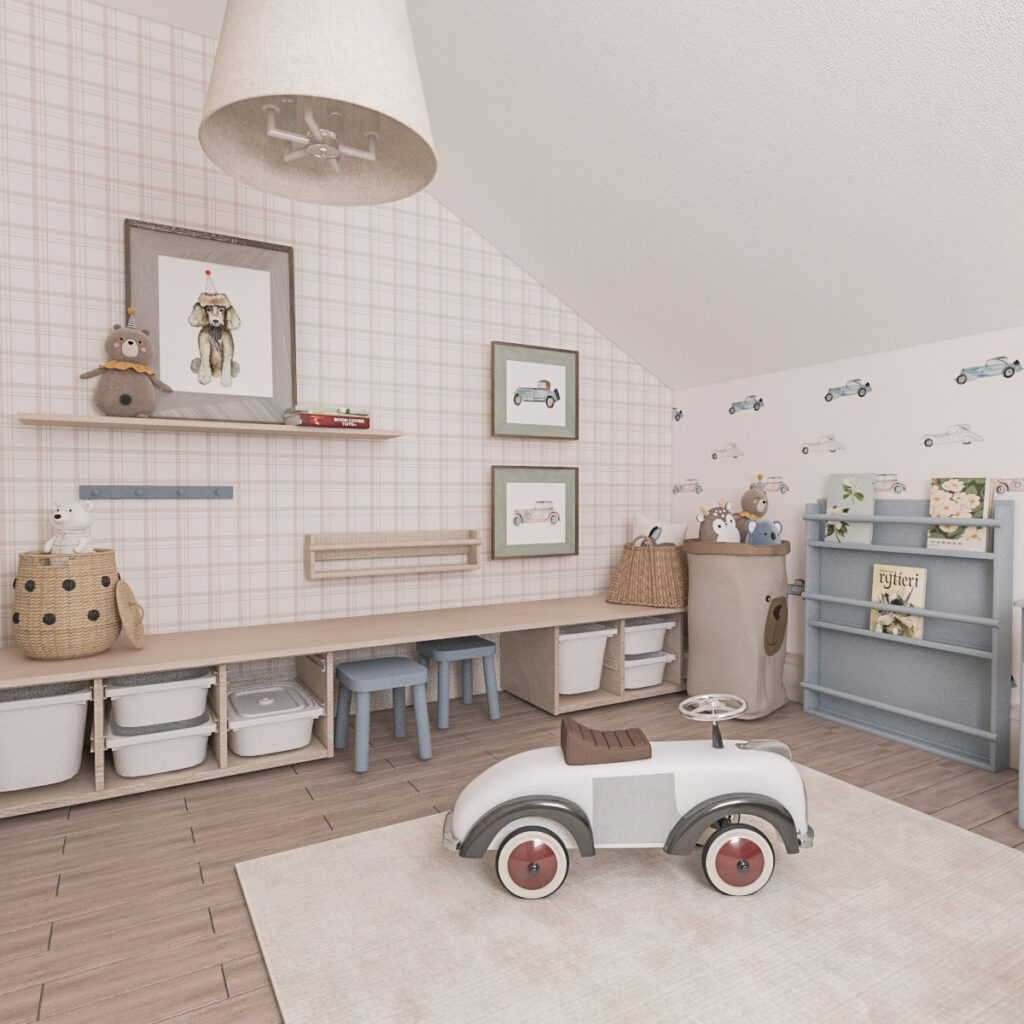
Key facts about combining two wallpapers in one room
- The foundation of a successful two-wallpaper design is finding a shared color in both patterns, which prevents visual chaos.
- The safest solution for beginners is pairing a bold patterned wallpaper with a plain background in a similar shade.
- In a kids' room, two different wallpapers let you functionally separate a calm zone by the bed from a creative play zone.
- Technically, you can combine different types of wallpaper (e.g., paper with vinyl), but it requires the right pastes and covering the seams with trim.
Rules for combining two different wallpapers in one room – contrast or harmony?
The strategy you choose depends mainly on the atmosphere you want to create at home. If you're not sure how to combine two wallpapers, look for a shared color in both patterns. A cohesive color palette is the absolute foundation of a successful wall design. Thoughtlessly combining motifs can create a mess and overwhelm the household. Remember that in small rooms, less is often more.
A safe pairing: patterned and solid-color wallpaper
The easiest approach is to pair a strong pattern with a plain background in a similar shade. This lets the main decoration shine without dominating the room. Many collections of living room wallpapers include ready-made coordinating designs, which makes the job easier. When choosing a complex print, pick a background that matches its details. This makes the room more cohesive and avoids a random look.
Introducing pattern subtly – the same motif in different colorways
A sophisticated strategy is to use the same motif in a different colorway on an adjacent wall. This works well in large rooms, effectively breaking up monotony. It creates a sense of rhythm, suggesting the walls are related. Keep the pattern scale identical to preserve perspective. It's the perfect way of combining wallpaper patterns for fans of understated elegance.
Mixing patterns without overwhelming the room – how do you do it?
Combining bold patterns requires a hierarchy: one pattern dominates, the other is the backdrop. When figuring out how to match two wallpapers in one room, watch the color temperature. A better option is often wallpaper and paint on one wall, which tones down the whole composition. Use smaller patterns in alcoves so they don't tire the eye. Leave the main walls to large graphics that become the heart of the design.
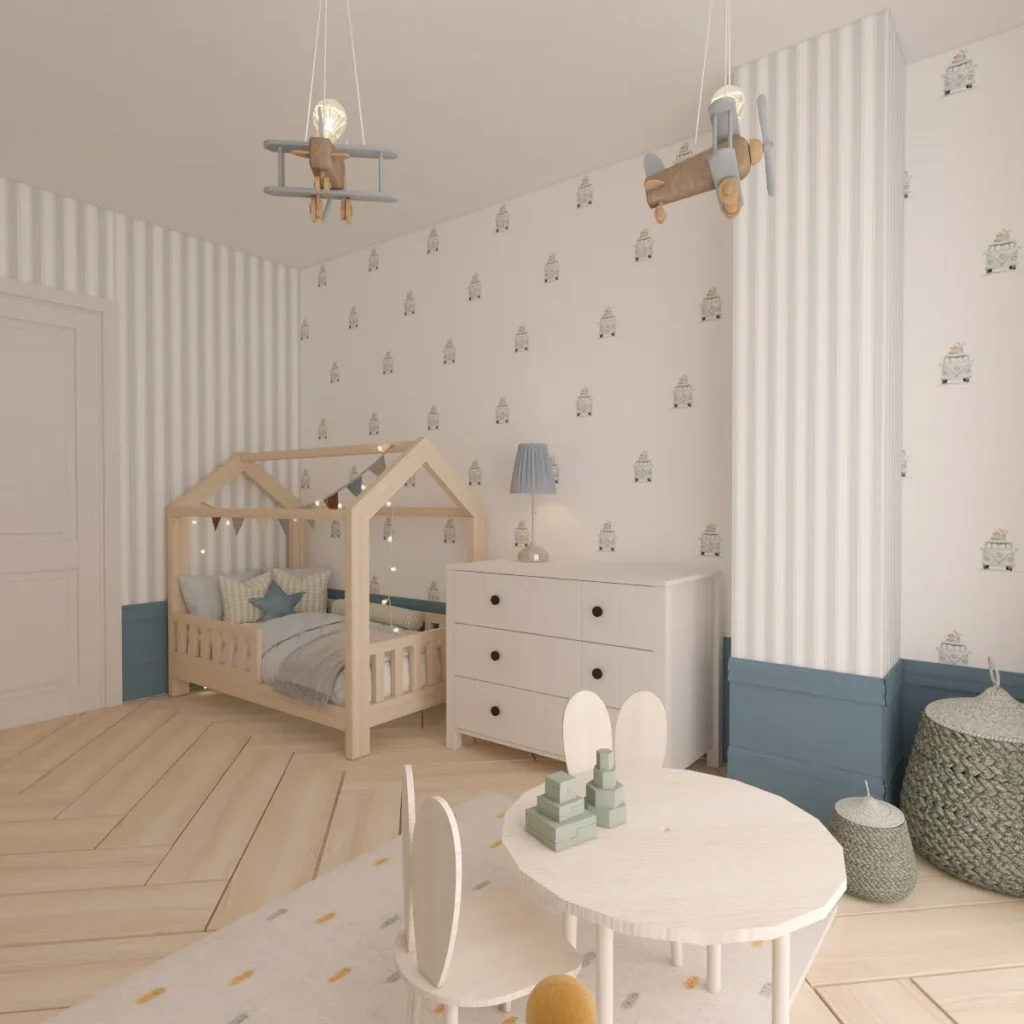
Sleep zone and play corner – how do you match two wallpapers in a kids' room?
In a toddler's room, two wallpapers divide the space into activity zones. A calm motif by the crib soothes and provides a sense of security. A lively wall mural on the opposite wall sparks creativity during play. Two different wallpapers in one room create a little world that grows with your child. Kids' wallpaper often comes in series that let you mix patterns. What matters is that the motifs tell a shared story.
Trendy two-wallpaper combinations for the living room and bedroom – Royal Rabbits inspiration
In living rooms, eclecticism reigns, combining raw textures with the elegance of plants. Trendy options include rustic-style wallpapers softened with floral motifs. Designers suggest frames in the form of striking molding with wallpaper, resembling paintings. For inspiration, check out great ideas for a living room wall, like a mural behind the sofa. How do you combine two different wallpapers in the bedroom? Pair a dark pattern behind the headboard with a light background.
Recommended wallpaper combinations
-

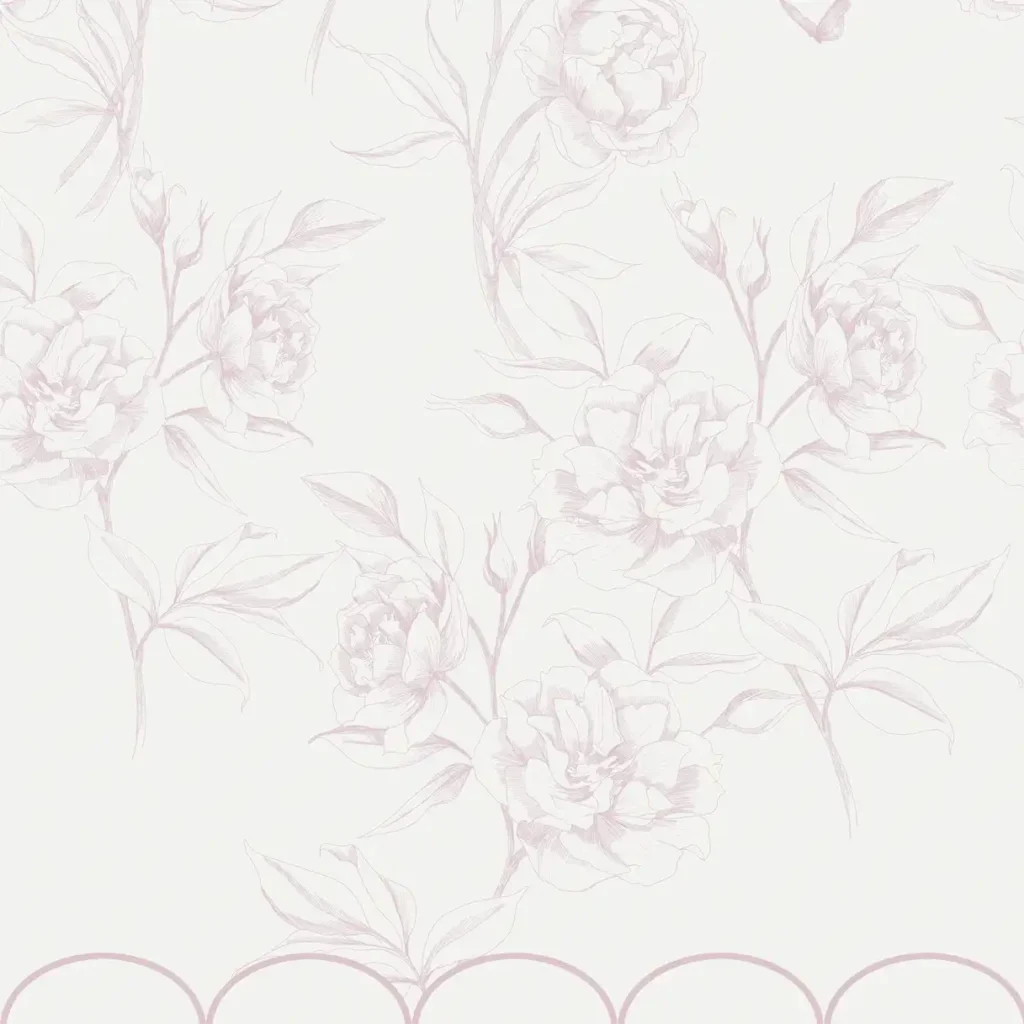
Pink Line Art Peonies with Ruffles Wallpaper
Od: 28,99 $ -
Striped wallpaper – delicate pink pinstripes
Od: 21,99 $ -
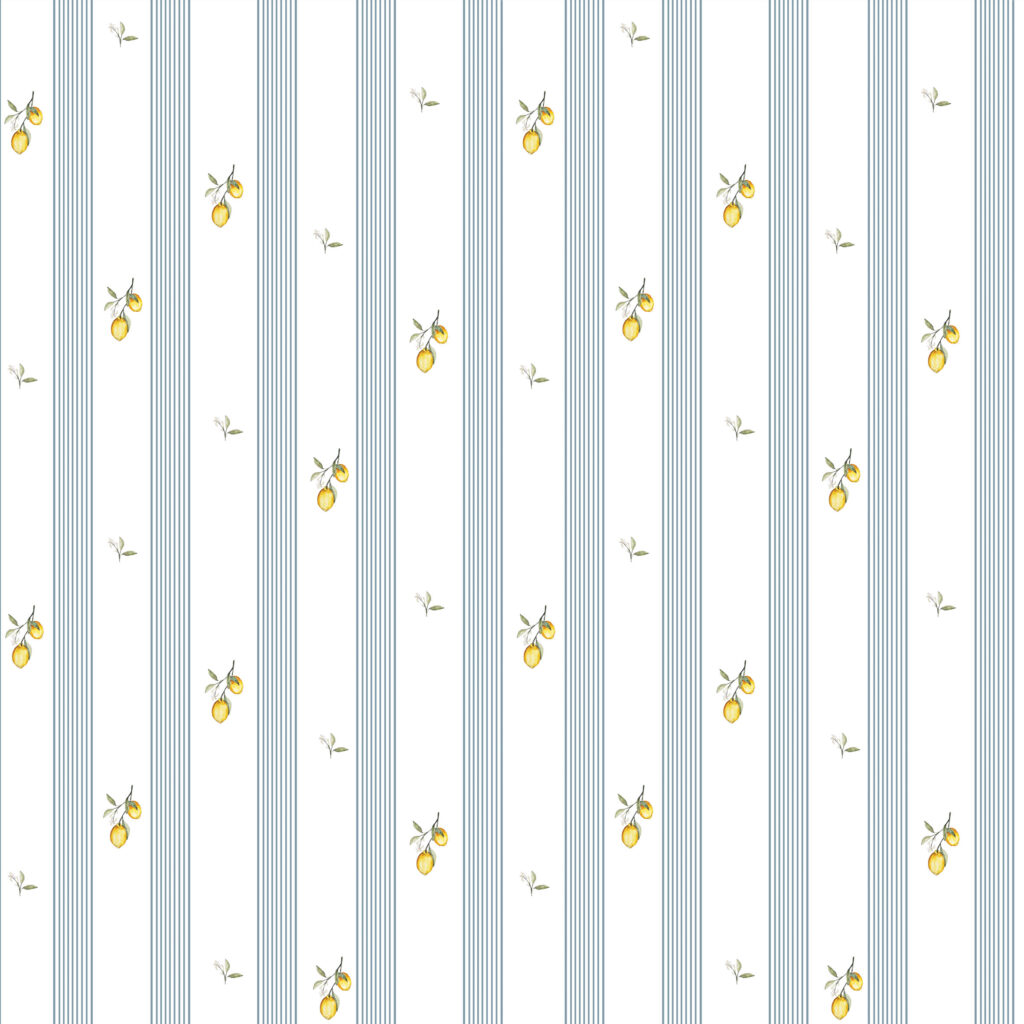
Lemons and Stripes Wallpaper
Od: 21,99 $ -

Wide Light Blue Stripes on White Wall Wallpaper
Od: 21,99 $


FAQ – Frequently asked questions about combining two wallpapers
Many people worry about combining patterns for technical reasons. Choosing the right materials and paste is key to a long-lasting result. Below, we answer the most common wallpapering dilemmas.
- Can you combine paper and vinyl wallpaper? Yes, but even out the difference in thickness with trim or join them in the corners.
- Do I need different pastes for different types of wallpaper in one room? Yes, heavy vinyls need a stronger paste than lightweight paper wallpapers.
- Which walls are best for combining wallpapers: adjacent or opposite? Two different wallpapers in one room look best on opposite walls.
- Can you combine wallpaper on the wall with wallpaper on the ceiling? It's the trendy “fifth wall” look, which warms up and adds variety to a room.
- How do you neatly join two wallpapers in the middle of a wall? Use a molding strip to neatly hide where the materials meet.
Combining wallpapers lets you express yourself at home. Whatever you choose, the design should bring joy to everyone in the household. The question of how to match two wallpapers in one room opens up many possibilities. We hope these tips help you create your dream interior.
